
Buying from multiple Chinese sellers can be a smart way to source products, compare prices, access wider product selections, and build a more flexible supply chain. However, when every seller ships separately, international buyers often face scattered parcels, higher shipping costs, confusing tracking updates, and more complicated customs preparation.
This is where parcel forwarding helps.
A parcel forwarding service gives global buyers a local warehouse address in China. Buyers can send orders from different Chinese sellers to that warehouse first. The forwarding provider then receives the parcels, checks them, stores them temporarily, combines them when needed, and ships them internationally as one organized shipment.
For buyers using platforms such as Taobao, 1688, JD.com, Pinduoduo, Tmall, independent Chinese suppliers, or factory sellers, parcel forwarding can make cross-border shopping much easier. It is especially useful when sellers do not support international delivery, when direct shipping is too expensive, or when a buyer wants better control over packaging and shipping methods.
In this guide, we will explain how parcel forwarding works, why it is helpful when buying from multiple Chinese sellers, what costs to consider, and how to avoid common mistakes.

Why Buying from Multiple Chinese Sellers Can Be Difficult
Buying from China gives global customers access to a huge range of products. Many sellers offer competitive prices, fast domestic delivery, and specialized items that may not be available in local markets.
But when you buy from several sellers at the same time, the process becomes more complex.
Different Sellers Use Different Shipping Methods
One seller may use SF Express. Another may use YTO, ZTO, STO, Yunda, or another domestic courier. Some sellers may ship quickly, while others may take several days to dispatch.
If every seller sends a package directly overseas, you may end up with:
- Multiple international tracking numbers
- Different delivery times
- Repeated customs declarations
- Higher total shipping fees
- More chances of missed delivery or lost parcels
This can be inconvenient for personal buyers and even more difficult for small businesses.
Not Every Chinese Seller Ships Internationally
Many Chinese sellers only support domestic delivery within mainland China. This is common on local marketplaces and wholesale platforms. Sellers may not have experience with export documents, international courier rules, or overseas customer support.
A parcel forwarding warehouse solves this problem by acting as your receiving address in China.
You buy from the seller as if you are a local customer. The seller ships the order to the forwarding warehouse. The warehouse then handles the international shipping process for you.
Separate Parcels Can Increase Shipping Costs
International shipping cost is not only based on actual weight. Couriers often calculate both actual weight and volumetric weight, then charge based on the higher one.
This means light but bulky items can be expensive to ship. If each seller ships separately, you may pay for unused box space many times.
Parcel forwarding helps reduce waste by combining items into fewer packages, removing unnecessary packaging when appropriate, and choosing a better box size for international transport.
What Is Parcel Forwarding?
Parcel forwarding is a logistics service that helps buyers receive goods in one country and forward them to another country.
For China-based parcel forwarding, the process usually works like this:
- You register with a parcel forwarding company.
- The company gives you a warehouse address in China.
- You use that address when buying from Chinese sellers.
- Sellers send your orders to the warehouse.
- The warehouse receives and records your parcels.
- You choose inspection, consolidation, repacking, or storage services.
- The warehouse ships the final parcel to your country.
The service is useful for individual shoppers, dropshipping sellers, Amazon/eBay/Etsy sellers, boutique owners, product testers, and small importers.
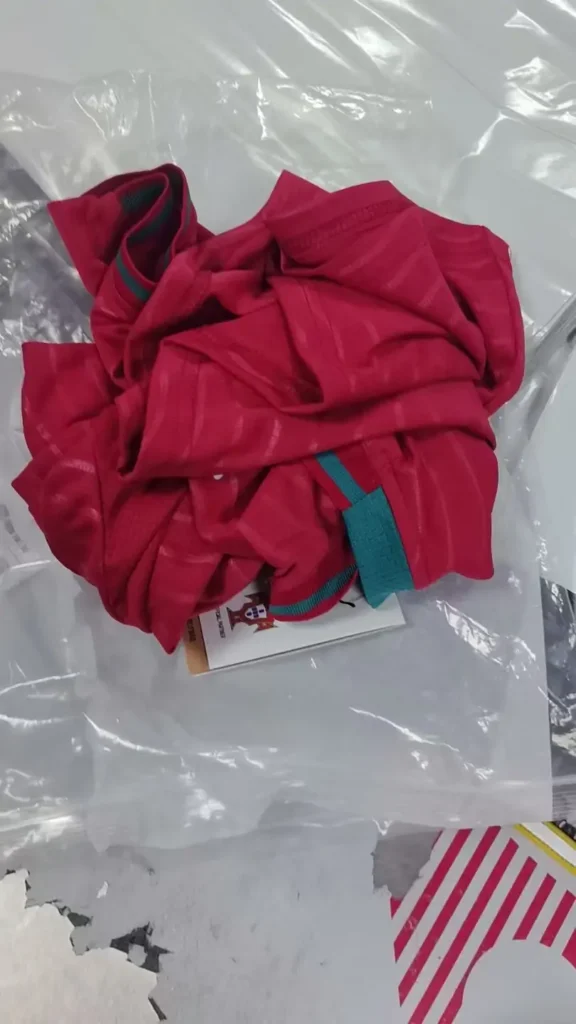
How Parcel Forwarding Helps When Buying from Multiple Chinese Sellers
1. It Gives You One Receiving Address in China
The biggest benefit is simple: you get a local Chinese delivery address.
Instead of asking every seller whether they can ship internationally, you only need them to ship domestically. Domestic shipping inside China is usually easier for sellers to handle, and many sellers can dispatch faster to a Chinese address than to an overseas address.
This is helpful when buying from:
- Taobao stores
- 1688 suppliers
- Factory sellers
- Small online shops
- Social commerce sellers
- Product sample suppliers
- Marketplace sellers that do not support overseas delivery
A forwarding warehouse becomes the central collection point for all your orders.
2. It Combines Multiple Parcels into One Shipment
When you buy from several sellers, each seller usually sends a separate package. A parcel forwarding company can consolidate these packages into one international shipment.
For example, you may order:
- Phone accessories from Seller A
- Clothing from Seller B
- Packaging materials from Seller C
- Small electronics from Seller D
- Home products from Seller E
Without forwarding, you may need to receive five separate international parcels.
With forwarding, the warehouse can combine them into one or two organized packages. This makes tracking easier and may reduce shipping waste.
Consolidation is especially useful for buyers who purchase small or medium-sized items from many sellers.
3. It Can Reduce Unnecessary Packaging
Chinese sellers often use extra packaging for domestic delivery. This may include oversized cartons, bubble wrap, plastic mailers, product boxes, and filler materials.
For international shipping, excessive packaging can increase volumetric weight.
A parcel forwarding warehouse can often remove unnecessary outer packaging and repack the goods into a more efficient box. This may help reduce chargeable weight, especially for lightweight products.
However, packaging should not be reduced too aggressively. Fragile items, branded retail boxes, collectibles, cosmetics, glass products, and electronics may need protective packaging.
A good forwarding provider should balance cost savings with product safety.
4. It Makes Tracking Easier
When every seller ships separately, tracking can become messy. You may need to check multiple domestic tracking numbers, wait for several international updates, and contact different sellers if anything goes wrong.
With parcel forwarding, all parcels are first received by one warehouse. The warehouse can record incoming packages under your account.
Once all items arrive, you choose the final international shipping method. After dispatch, you only need to follow one main international tracking number.
This is much easier for buyers who manage repeated orders.
5. It Helps with Parcel Inspection
One major advantage of forwarding is the ability to inspect goods before international shipping.
Depending on the provider, inspection may include:
- Checking whether the parcel arrived
- Confirming item quantity
- Taking photos of the package
- Checking visible product damage
- Verifying size, color, or model
- Noting whether the seller sent the wrong item
This is valuable because returning goods after international delivery is usually expensive and slow.
If the warehouse finds a problem while the parcel is still in China, you may have a better chance to contact the seller, request a replacement, or arrange a domestic return.
6. It Supports Better Shipping Method Selection
Different products need different shipping solutions.
A parcel forwarding provider may offer several options, such as:
- Express courier shipping
- Air freight line
- Economy air shipping
- Sea freight for heavier goods
- Postal shipping
- Tax-included special line, where available
- Sensitive cargo line for certain permitted products
This flexibility matters because the cheapest option is not always the best option.
For urgent samples, express shipping may be better. For heavy products, sea freight may be more economical. For small personal packages, economy air shipping may be enough.
A forwarding service helps buyers compare cost, delivery speed, restrictions, and tracking quality before choosing a method.
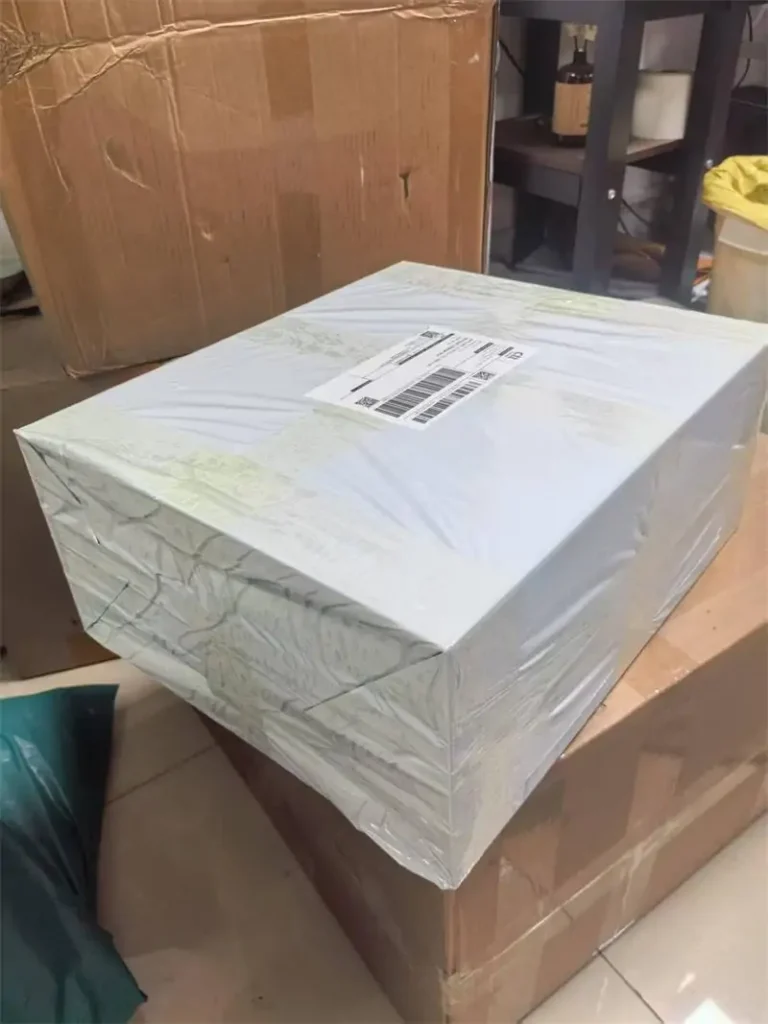
Common Buyer Scenarios
Scenario 1: A Small Business Buying Product Samples
A boutique owner wants to test 20 different products from five Chinese sellers. Each seller only ships domestically.
Without forwarding, the buyer must ask each seller about international shipping, pay separate shipping fees, and receive multiple parcels.
With forwarding, all samples go to one warehouse. The warehouse checks the parcels, combines them, and ships them together. The buyer receives one organized shipment and can compare product quality more easily.
Scenario 2: An Online Seller Buying from 1688
A small e-commerce seller finds low-cost suppliers on 1688, but the suppliers do not support overseas delivery.
A forwarding warehouse allows the seller to purchase from multiple suppliers using a Chinese address. The warehouse consolidates the goods and sends them internationally.
This helps the seller test suppliers before placing larger wholesale orders.
Scenario 3: A Personal Buyer Shopping from Taobao
A buyer wants clothing, accessories, stationery, and home items from different Taobao stores.
If each item ships separately, international delivery may become expensive and difficult to manage.
Parcel forwarding allows the buyer to wait until all domestic parcels arrive, request repacking, and ship everything together.
Scenario 4: A Buyer Ordering Replacement Parts
Some customers buy small machine parts, car accessories, electronic components, or repair tools from different Chinese sellers.
These items may be small but come from many suppliers.
Forwarding helps collect the parts, confirm they arrived, and ship them in one controlled package.
What Costs Should You Expect?
Parcel forwarding is not only about the international shipping fee. Buyers should understand the full cost structure before ordering.
Main Cost Categories
Common parcel forwarding costs may include:
- Domestic shipping from seller to warehouse
- Warehouse receiving fee
- Storage fee after the free storage period
- Parcel inspection fee
- Photo service fee
- Consolidation fee
- Repacking fee
- International shipping fee
- Insurance fee
- Customs duties or import taxes
- Remote area surcharge, if applicable
Not every provider charges all these fees. Some include basic services for free. Others charge separately for detailed inspection, photos, or repacking.
Before choosing a forwarding company, always check the pricing table clearly.
Actual Weight vs Volumetric Weight
Shipping cost can be affected by both actual weight and volumetric weight.
Actual weight is the physical weight of the package.
Volumetric weight is based on the package size. A large but light box can cost more than expected because it takes up more space during transport.
This is why consolidation and repacking are important. A smaller, better-packed carton may help reduce chargeable weight.
Customs, Duties, and Import Taxes
Parcel forwarding does not remove customs obligations.
When goods are shipped internationally, the destination country may require customs declaration, import duties, VAT, GST, or other taxes. The exact rule depends on the destination country, product type, declared value, and local import policy.
Buyers should prepare accurate product information, including:
- Product name
- Quantity
- Value
- Material
- Use or category
- HS code, if required
- Seller invoice or order screenshot, if needed
Incorrect declarations can cause delays, extra fees, parcel returns, or customs holds.
A professional forwarding company may help prepare basic shipping documents, but the buyer is still responsible for providing truthful information and following destination-country import rules.
Products That May Be Restricted
Not every product can be shipped through every shipping channel.
Some goods may be prohibited, restricted, or require special handling. Examples may include:
- Lithium batteries
- Power banks
- Liquids
- Powders
- Cosmetics
- Perfume
- Food
- Medicine
- Chemicals
- Magnetic products
- Brand-name goods with intellectual property concerns
- Weapons or dangerous goods
- Oversized goods
- Fragile goods
Rules vary by carrier and destination country.
Before buying, ask the forwarding provider whether the product can be shipped. This is especially important for electronics, beauty products, battery-powered products, branded items, and products with liquids or powders.
How to Choose a Reliable Parcel Forwarding Service
A good forwarding company should not only offer cheap shipping. It should also provide transparency, communication, and stable handling.
Check Warehouse Location
A warehouse in a major logistics city such as Shenzhen, Guangzhou, Yiwu, Shanghai, Hangzhou, or Dongguan may receive domestic parcels faster from many sellers.
For buyers sourcing electronics, Shenzhen may be convenient. For small commodities, Yiwu may be useful. For mixed products, Guangzhou or Dongguan can also be practical.
Check Available Shipping Lines
The provider should offer shipping options suitable for your country and product type.
Ask about:
- Delivery time
- Tracking availability
- Weight limits
- Volumetric weight calculation
- Restricted product rules
- Customs support
- Insurance options
- Lost parcel compensation policy
Do not choose based only on the lowest price.
Check Communication Speed
When buying from multiple sellers, problems may happen.
A seller may send the wrong item. A parcel may arrive without your customer code. A product may be damaged. A shipping line may reject restricted goods.
Fast communication is important.
A reliable forwarding company should be able to update you clearly and help you solve problems before the goods leave China.
Check Photos and Inspection Options
If you are buying valuable, fragile, or customized products, photo inspection is useful.
Ask whether the warehouse can provide:
- Arrival photos
- Product photos
- Label photos
- Quantity check
- Size or color confirmation
- Damage report
This can reduce the risk of receiving wrong goods overseas.
Check Storage Policy
When buying from many sellers, some parcels may arrive earlier than others. Free storage gives you time to wait for all orders before consolidation.
Check:
- How many free storage days are included
- Daily storage fee after the free period
- Maximum storage time
- Whether abandoned parcels are removed after a deadline
A clear storage policy helps avoid unexpected charges.
Practical Tips Before You Start
Use Clear Recipient Information
When placing orders, use the exact warehouse address and include your customer ID or unique code. If you forget the code, the warehouse may not know which account the parcel belongs to.
Keep Every Domestic Tracking Number
After each seller ships, save the domestic tracking number. This helps the warehouse identify incoming parcels and solve missing parcel issues.
Create a Simple Order List
For multiple sellers, make a spreadsheet with:
- Seller name
- Product name
- Quantity
- Domestic tracking number
- Order value
- Expected arrival date
- Special notes
This is useful for both personal shopping and business sourcing.
Ask About Restrictions Before Paying Sellers
Do not assume every item can be shipped internationally.
Before buying batteries, liquids, cosmetics, branded goods, food, or oversized products, confirm the shipping possibility with the forwarding company.
Do Not Underdeclare Product Value
Some buyers try to lower declared values to reduce taxes. This can create serious problems if customs checks the parcel.
A realistic declaration is safer and more professional.
Consider Insurance for High-Value Goods
If your parcel contains expensive items, insurance may be worth considering. International logistics can involve multiple handling points, and insurance gives extra protection if loss or damage occurs.
Parcel Forwarding vs Direct Shipping from Sellers
Direct shipping is simple when you buy from one seller who already supports international delivery.
However, parcel forwarding is usually better when:
- You buy from multiple sellers
- Sellers only support domestic China delivery
- You want parcel consolidation
- You need inspection before international shipping
- You want more shipping method choices
- You want to reduce packaging waste
- You need better control over customs information
- You are testing several suppliers
Direct seller shipping can still be useful for urgent single-item purchases. But for multi-seller buying, forwarding often gives more control and flexibility.
Is Parcel Forwarding Only for Businesses?
No. Parcel forwarding is useful for both personal buyers and business buyers.
Personal buyers use it to shop from Chinese platforms that do not support international shipping. They can buy clothing, accessories, household goods, hobby products, stationery, and small electronics.
Business buyers use it for samples, small-batch sourcing, product testing, packaging materials, spare parts, and supplier comparison.
For larger commercial shipments, freight forwarding may be more suitable than parcel forwarding. But for small and medium parcels from multiple sellers, parcel forwarding is often more practical.
Final Checklist for Multi-Seller Buying
Before shipping your consolidated parcel, check the following:
- Have all seller parcels arrived at the warehouse?
- Are the quantities correct?
- Did you request photos if needed?
- Are fragile products protected?
- Is the package size reasonable?
- Did you confirm restricted item rules?
- Is the declared value accurate?
- Did you choose the right shipping method?
- Do you understand customs duties or taxes in your country?
- Do you have the final tracking number?
This checklist can help reduce delays and unexpected costs.
Conclusion: Parcel Forwarding Makes Multi-Seller Buying Easier
Buying from multiple Chinese sellers gives international buyers more choice, better pricing opportunities, and access to products that may not be available locally. But managing many sellers, parcels, tracking numbers, and shipping methods can quickly become complicated.
Parcel forwarding helps by giving buyers a local China warehouse address, collecting parcels from different sellers, checking incoming packages, consolidating shipments, reducing unnecessary packaging, and arranging international delivery.
For personal shoppers, it makes Chinese marketplace shopping more accessible. For small businesses, it supports supplier testing, sample collection, and flexible sourcing. For repeat buyers, it creates a smoother and more organized shipping process.
The key is to choose a forwarding provider with clear pricing, reliable communication, proper inspection options, reasonable storage terms, and shipping lines suitable for your destination country.
When used correctly, parcel forwarding is not just a shipping service. It is a practical solution for buying smarter from multiple Chinese sellers.