
Air freight from China is one of the fastest shipping solutions for global buyers, e-commerce sellers, wholesalers, and sourcing agents. It is widely used for electronics, fashion products, accessories, cosmetics, small parcels, branded goods, samples, urgent inventory, and high-value items that need faster delivery than sea freight.
However, not every product can be shipped by air in the same way.
Some products are easy to ship as general cargo. Some products are allowed but require special packaging, documents, labels, customs information, or a sensitive cargo channel. Other items are restricted or prohibited because they may create safety, legal, customs, or airline compliance risks.
This guide explains what products can usually be shipped by air freight from China, which products need extra checking, and what buyers should prepare before arranging international air shipping.

Why Air Freight from China Is Popular
Air freight is commonly used when buyers need speed, reliability, and better tracking. Compared with sea freight, air freight is usually faster and more suitable for smaller shipments, urgent replenishment, high-value goods, and e-commerce parcels.
For many international buyers, air freight from China is useful when:
- The goods are time-sensitive.
- The shipment is not large enough for sea freight.
- The products have a high value-to-weight ratio.
- The buyer wants faster customs clearance and delivery.
- The seller needs stable inventory for an online store.
- Multiple parcels from different Chinese suppliers need to be consolidated.
Air freight is especially common for cross-border e-commerce, Amazon sellers, Shopify stores, luxury product buyers, spare parts distributors, and personal shopping agents.
Still, air shipping has stricter safety rules than many other transport methods. Airlines must control dangerous goods, batteries, liquids, powders, magnets, chemicals, and undeclared sensitive items. That is why product checking is always the first step before booking air freight.
General Products That Can Usually Be Shipped by Air Freight
General cargo is the easiest category to ship. These products do not normally contain batteries, liquids, powders, flammable materials, strong magnets, compressed gas, or restricted ingredients.
Common General Cargo Examples
Many daily consumer goods can usually be shipped by air freight from China, such as:
- Clothing and fashion accessories
- Shoes, bags, hats, and scarves
- Phone cases without batteries
- Watches without lithium batteries
- Jewelry accessories and costume jewelry
- Toys without batteries
- Plastic products
- Hardware parts
- Household items
- Office supplies
- Stationery products
- Textile products
- Small furniture accessories
- Packaging materials
- Promotional gifts
- Non-powered tools
- Sports accessories
These products are usually easier to declare, pack, and transport. For standard commercial shipments, buyers still need accurate product names, quantities, values, HS codes where possible, and destination delivery details.
Best Use Case for General Cargo
For example, a Shopify store owner buys clothing from three suppliers in Guangzhou, Yiwu, and Shenzhen. Instead of shipping three separate international parcels, the buyer can send all goods to a China warehouse, check the products, consolidate them into one shipment, and ship by air freight.
This reduces unnecessary parcel handling and makes tracking easier.
Electronics That Can Be Shipped by Air Freight
Electronics are among the most common products shipped from China by air. China is a major manufacturing base for consumer electronics, accessories, smart devices, lighting products, and electronic components.
Electronics Without Batteries
Electronics without batteries are usually easier to ship. Examples include:
- USB cables
- Chargers without built-in batteries
- Adapters
- Computer parts
- LED lights without batteries
- Circuit boards
- Phone accessories
- Headphones without batteries
- Electronic components
- Smart home accessories without battery cells
These products may still need careful packing to prevent damage. Some electronic products may also require customs documentation depending on the destination country.
Electronics With Built-In Batteries
Products with built-in lithium batteries can often be shipped by air, but they require extra checking. Examples include:
- Mobile phones
- Tablets
- Laptops
- Bluetooth earphones
- Smart watches
- Handheld game devices
- Cameras
- Portable speakers
- Electric toothbrushes
- Small rechargeable devices
- LED products with built-in batteries
The key point is that battery cargo is not the same as ordinary cargo. The shipping method depends on the battery type, battery capacity, whether the battery is built into the device, whether it is packed with equipment, or whether it is shipped alone.
For most buyers, the safest approach is to provide the product link, product photo, battery specification, and supplier information before shipping. The logistics provider can then confirm whether the product can be accepted by the airline and which channel should be used.

Lithium Battery Products: Allowed but Strictly Regulated
Lithium battery products are one of the most important categories in air freight from China. Many modern products contain lithium batteries, but airlines treat them carefully because of fire and thermal runaway risks.
Products That May Contain Lithium Batteries
Examples include:
- Power banks
- Mobile phones
- Laptops
- Tablets
- Smart watches
- Bluetooth speakers
- Wireless earphones
- Drones
- Cameras
- Electric scooters
- Battery-powered toys
- Beauty devices
- Medical electronic devices
- Small household appliances
Some battery products may be accepted, while others may be rejected or require a cargo-aircraft-only route.
Built-In Battery vs Battery Shipped Alone
There is a major difference between:
- Battery installed inside equipment
- Battery packed with equipment
- Battery shipped alone
A phone with a built-in battery is usually easier to ship than loose lithium batteries or power banks. A power bank is generally treated as a lithium battery itself. Loose batteries usually require more restrictive handling.
This is why customers should not simply declare battery products as “electronics.” A clear and accurate declaration helps avoid airline rejection, customs issues, delays, fines, or return of goods.
Cosmetics and Beauty Products
Cosmetics can often be shipped by air freight from China, but the acceptance depends on the ingredients, form, packaging, and destination rules.
Common Cosmetics That May Be Shipped
Examples include:
- Face masks
- Skincare creams
- Makeup products
- Lipstick
- Eyeliner
- Powder makeup
- Beauty tools
- Nail accessories
- Hair accessories
- Non-liquid cosmetic items
However, cosmetics may become sensitive cargo if they contain liquid, alcohol, aerosol, flammable ingredients, or chemical substances.
Sensitive Cosmetic Products
The following products need extra checking:
- Perfume
- Nail polish
- Alcohol-based cosmetics
- Hair spray
- Aerosol products
- Essential oils
- Liquid skincare products
- Toner
- Serum
- Creams in large quantities
- Chemical beauty products
For these items, the buyer may need to provide ingredient details, MSDS/SDS documents, product photos, and packaging information.

Liquids, Powders, and Pastes
Liquids, powders, and pastes are not automatically prohibited, but they are more sensitive than general cargo. Airlines and customs authorities may need to know what the product is, whether it is flammable, toxic, corrosive, food-grade, cosmetic-grade, or chemical.
Examples of Liquid Products
- Cosmetics liquid
- Skincare liquid
- Essential oils
- Cleaning liquid
- Ink
- Paint-related liquid
- Glue
- Flavoring liquid
- Food liquid
- Chemical liquid
Examples of Powder Products
- Makeup powder
- Food powder
- Supplement powder
- Industrial powder
- Pigment powder
- Chemical powder
- Ceramic powder
- Resin powder
Examples of Paste Products
- Creams
- Gels
- Adhesives
- Cosmetic paste
- Food paste
- Dental products
For these products, the main question is not only “Can it be shipped?” but also “What is inside the product?” A harmless cosmetic powder and a flammable chemical powder are treated very differently.
Buyers should prepare clear product information before shipping. If the product is undeclared or incorrectly declared, the shipment may be delayed, returned, or destroyed.
Food Products and Snacks
Some food products can be shipped by air from China, but food cargo is destination-sensitive. Import rules vary widely between countries.
Food Products That May Be Accepted
Common examples include:
- Packaged snacks
- Tea
- Dried food
- Instant noodles
- Candy
- Biscuits
- Coffee products
- Sealed packaged food
- Non-perishable food products
Food Products That Need Careful Checking
Some food items may require special attention:
- Meat products
- Dairy products
- Fresh food
- Seeds
- Plants
- Herbal products
- Liquid food
- Powdered food
- Health-related food products
Food shipments may be subject to import permits, food safety rules, labeling requirements, or customs inspection in the destination country. Buyers should confirm whether the destination country allows the product before shipping.
Branded Goods and Luxury Products
Branded products, designer goods, watches, bags, shoes, fashion accessories, and luxury items can often be shipped by air freight, but they need accurate documentation and careful handling.
Examples of Branded Goods
- Watches
- Bags
- Shoes
- Clothing
- Sunglasses
- Accessories
- Luxury packaging
- Fashion products
- Small leather goods
For branded goods, customs may pay close attention to value, brand name, quantity, and authenticity. If the buyer is shipping commercial stock, invoices and clear product descriptions are important.
For high-value items, buyers should also consider:
- Reinforced packaging
- Photo or video inspection before shipping
- Insurance or declared value service
- Signature delivery where available
- Accurate customs declaration
- Reliable tracking
Air freight is often preferred for high-value products because the delivery time is shorter and tracking is usually better than low-cost postal routes.
Fragile Products
Fragile products can be shipped by air, but the packing must be strong enough for warehouse handling, customs inspection, loading, unloading, and last-mile delivery.
Common Fragile Goods
- Glass products
- Ceramic products
- Watches
- Electronics
- Lighting products
- Display screens
- Home decorations
- Luxury items
- Precision parts
- Small machines
Fragile products should be packed with protective materials such as bubble wrap, foam, corner protection, strong cartons, and outer reinforcement. For valuable fragile items, warehouse photo inspection is highly recommended before shipping.
Magnetic Products
Magnetic products may be accepted by air freight, but they usually require special checking because strong magnetic fields can interfere with aircraft instruments.
Examples of Magnetic Goods
- Speakers
- Motors
- Magnetic toys
- Magnetic tools
- Electronic parts
- Magnetic phone accessories
- Industrial magnetic components
If the magnetic field is strong, the product may need a magnetic inspection report or special packing. Small weak magnets may be easier to handle, but they should still be declared correctly.
Products That Need Special Channels
Some products are not ordinary cargo but can still be shipped through special air freight channels if the route, airline, destination, and documents allow it.
Sensitive Cargo Examples
- Products with built-in batteries
- Power banks
- Cosmetics
- Liquids
- Powders
- Food products
- Branded goods
- Magnetic items
- Electric products
- Small machines
- High-value goods
- Vape devices without prohibited contents, depending on local law
- Perfume or fragrance products, depending on classification
Sensitive cargo requires more review before shipment. The logistics provider may need product photos, ingredient lists, battery specifications, MSDS/SDS, commercial invoices, or other documents.
The key rule is simple: sensitive goods must be declared honestly and checked before shipping.
Products That Usually Cannot Be Shipped by Air Freight
Some products are prohibited or extremely difficult to ship by air because of safety laws, customs rules, airline policies, or international restrictions.
Common Prohibited or High-Risk Items
The following items are usually not accepted:
- Guns and firearm parts
- Ammunition
- Explosives
- Fireworks
- Illegal drugs
- Counterfeit currency
- Hazardous chemicals
- Toxic substances
- Radioactive materials
- Live animals
- Human remains
- Strong flammable goods
- Pressurized gas cylinders
- Dangerous weapons
- Goods prohibited by the origin, transit, or destination country
Some products may also be restricted due to export control, sanctions, intellectual property concerns, or destination import rules.
If a product may be legally sensitive, buyers should confirm before purchasing from the supplier. A logistics company cannot safely ship goods that violate aviation, customs, or destination-country regulations.
What Information Should Buyers Provide Before Shipping?
Before arranging air freight from China, buyers should provide complete product information. This helps avoid delays and wrong channel selection.
Basic Information
Buyers should provide:
- Product name
- Product photos
- Product link
- Quantity
- Weight and dimensions
- Supplier address in China
- Destination country
- Delivery address
- Declared value
- Commercial invoice if available
Extra Information for Sensitive Goods
For sensitive cargo, buyers may also need:
- Battery capacity
- Battery type
- MSDS/SDS
- Ingredient list
- Usage description
- Packing photos
- Brand information
- Customs code or HS code
- Import permit if required by destination rules
The more accurate the information, the easier it is to choose the right shipping route.
Air Freight vs Express Shipping: Which Is Better?
Many buyers use the words “air freight” and “express shipping” together, but they are not always the same.
Air freight usually refers to cargo moved by air, often with warehouse handling, customs clearance, and final delivery. Express shipping usually refers to courier networks such as door-to-door parcel delivery.
Choose Air Freight When:
- You have multiple parcels to consolidate.
- You are shipping commercial goods.
- You need faster delivery than sea freight.
- You want better control over packing and customs declaration.
- You are shipping sensitive but acceptable goods.
- You need DDP or tax-included shipping where available.
Choose Express Shipping When:
- The parcel is small.
- The product is standard general cargo.
- You need very fast door-to-door delivery.
- The destination has reliable courier coverage.
- The goods are easy to declare and not sensitive.
For many cross-border sellers, the best solution is a China warehouse consolidation service combined with air freight delivery.
Example: Shipping Multiple Products from Chinese Sellers
Imagine a buyer purchases the following products from different Chinese platforms:
- Phone cases from Shenzhen
- Clothing from Guangzhou
- LED accessories from Yiwu
- A smartwatch from Dongguan
- Skincare products from Hangzhou
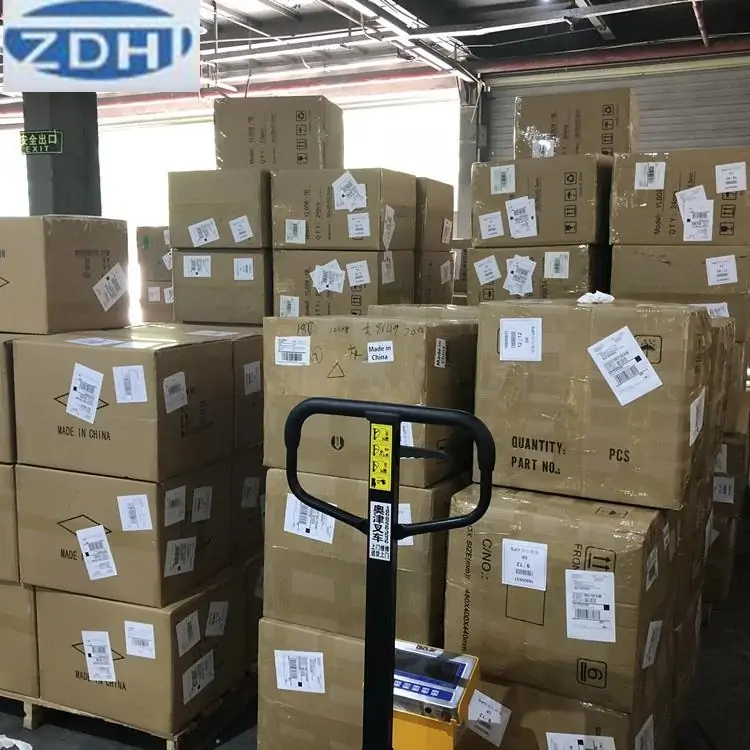
Instead of sending each parcel separately overseas, the buyer can send everything to one China warehouse. The warehouse checks the goods, takes photos, repacks the parcels, separates sensitive cargo if needed, and confirms the best air freight route.
The clothing and phone cases may be general cargo. The smartwatch may need battery checking. The skincare products may need liquid or ingredient confirmation. After classification, the shipment can be packed and declared properly.
This process reduces risk and helps the buyer avoid shipping delays.
How to Reduce Air Freight Problems
To make air freight from China smoother, buyers should follow a few practical steps.
1. Do Not Hide Sensitive Goods
Never declare battery products, cosmetics, liquids, or powders as “daily goods” if they are not ordinary cargo. Incorrect declaration can cause airline rejection or customs problems.
2. Send Product Photos Before Shipping
Photos help the warehouse and logistics provider identify batteries, liquids, fragile packaging, labels, and brand details.
3. Confirm Destination Rules
A product that can leave China may still face restrictions in the destination country. Food, cosmetics, supplements, medical products, branded goods, and electronic devices may all require extra checks.
4. Use Strong Packaging
Air freight moves fast, but parcels still pass through many handling points. Reinforced packaging is important for fragile, valuable, or oddly shaped products.
5. Ask Before Buying High-Risk Products
If you plan to ship batteries, chemicals, liquids, powders, food, magnets, branded goods, or high-value products, confirm shipping options before paying the supplier.
Final Answer: What Products Can Be Shipped by Air Freight from China?
Many products can be shipped by air freight from China, including clothing, bags, shoes, electronics, accessories, watches, toys, household items, beauty products, small machines, packaged food, branded goods, and e-commerce parcels.
However, the shipping method depends on the product category.
General cargo is usually simple. Battery products, liquids, powders, cosmetics, food, magnetic goods, and branded items require extra checking. Dangerous goods, illegal products, weapons, explosives, and goods prohibited by customs or airline rules cannot be shipped through normal air freight channels.
For global buyers, the best solution is to check the product before shipping, provide accurate information, use proper packaging, and choose a logistics provider that understands air freight, sensitive cargo, customs clearance, and China warehouse consolidation.
If you need help arranging shipping, see our air freight from China service for warehouse handling, consolidation, customs support, and international delivery.
Air freight from China is fast and practical, but safe shipping always starts with correct product classification.
Learn more: Additional parcel forwarding guides
DDP Shipping from China: What Global Buyers Should Know
From Guangzhou to Washington in 8 Days: Mike’s Watch Delivery Story with RepDelivery
Buying from Multiple Chinese Sellers? How Parcel Forwarding Helps